The Oyo State Transport Corporation(OYSTC) plays a critical role in public transportation across Oyo State, Nigeria. Established to provide safe, affordable, and reliable mass transit, the corporation has served millions of commuters travelling within Ibadan and to other major cities across the country.
As urbanisation increases and transportation demands grow, understanding how the Oyo State Transport Corporation (OYSTC) operates—its history, routes, services, pricing, and future plans—is essential for residents, travellers, policymakers, and researchers alike.
This guide provides a comprehensive, experience‑driven overview of OYSTC, going beyond surface‑level information to deliver practical insights, verified facts, and commuter‑focused analysis.
What Is Oyo State Transport Corporation?
The Oyo State Transport Corporation (OYSTC) is a state‑owned public transport agency responsible for providing mass transit services within Oyo State and interstate routes across Nigeria.
Key Functions of OYSTC
- Public bus transportation within Oyo State
- Interstate passenger transport
- Reduction of transportation costs for residents
- Support for economic activities and mobility
- Promotion of safer road travel through regulated services
OYSTC operates under the supervision of the Oyo State Ministry of Transport, ensuring alignment with state transportation policies and regulations.
History of Oyo State Transport Corporation
The Oyo State Transport Corporation was established in the 1970s, following the creation of Oyo State, as part of government efforts to improve public transportation infrastructure.
Historical Milestones
- 1976–1980s: Formation and early operations with limited fleets
- 1990s: Expansion of interstate routes and terminals
- 2000s: Operational challenges due to ageing vehicles and funding gaps
- 2020s: Renewed government interest in revitalising public transport
Like many state transport agencies in Nigeria, OYSTC has experienced periods of growth, decline, and restructuring.
Check for Transport Corporation in Anambra, click here
OYSTC Bus Services and Fleet
Types of Vehicles Used
OYSTC typically operates:
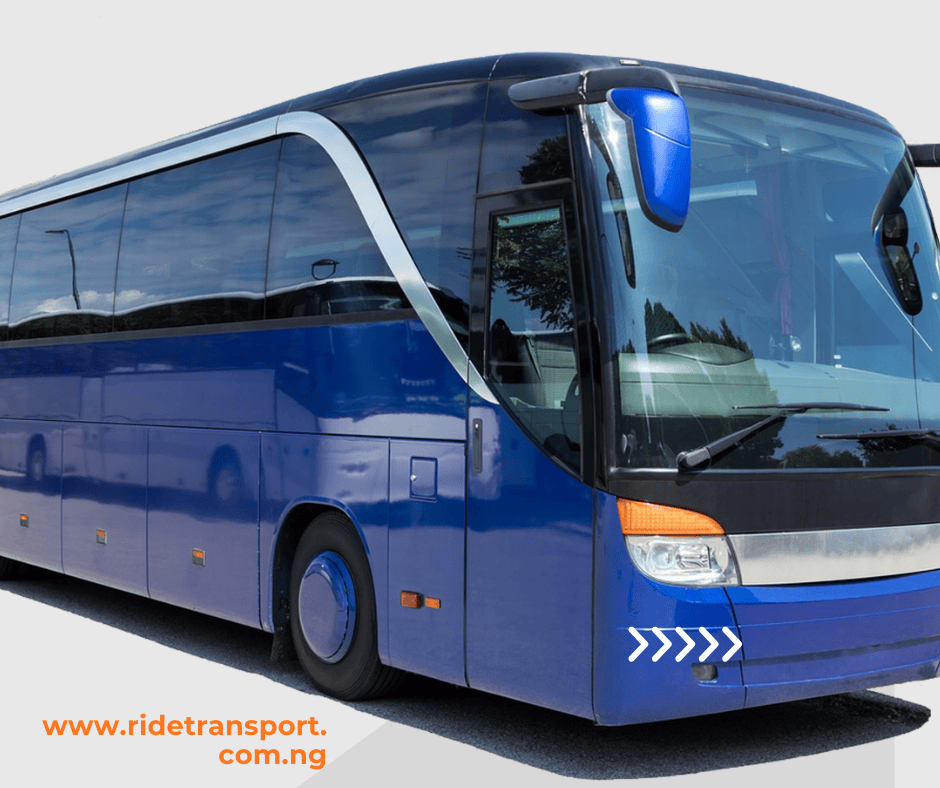
- High‑capacity buses for intra‑city routes
- Luxury and semi‑luxury buses for interstate travel
- Medium‑capacity buses for short‑distance routes
Public transport efficiency depends heavily on fleet maintenance and renewal cycles. Modern buses improve safety, fuel efficiency, and commuter comfort.
Major Routes Covered by Oyo State Transport Corporation
Intra‑City Routes (Within Ibadan)
OYSTC buses commonly serve:
- Dugbe
- Challenge
- Iwo Road
- Ojoo
- Apata
- Moniya
- Sango
These routes connect residential areas with commercial hubs, markets, schools, and government offices.
Interstate Routes
The Oyo State Transport Corporation also operates routes to major Nigerian cities, including:
- Ibadan → Lagos
- Ibadan → Abeokuta
- Ibadan → Osogbo
- Ibadan → Ilorin
- Ibadan → Akure
- Ibadan → Abuja (availability may vary)
Note: Routes may change based on demand, fuel availability, and government directives.
OYSTC Terminals and Parks
Major OYSTC Terminals
Some commonly used terminals include:
- Dugbe Terminal (Ibadan)
- Iwo Road Motor Park
- Ojoo Park
- Challenge Motor Park
These terminals serve as departure, arrival, and ticketing points.
Oyo State Transport Corporation Fares
How OYSTC Pricing Works
OYSTC fares are:
- Subsidised by the government
- Generally lower than private transport operators
- Structured based on:
- Distance
- Route type (intra‑city or interstate)
- Bus category
| Route Type | Estimated Fare Range |
|---|---|
| Intra‑city | ₦200 – ₦500 |
| Interstate (short) | ₦2,000 – ₦4,000 |
| Interstate (long) | ₦5,000 – ₦8,000 |
Disclaimer: Fares may fluctuate due to fuel prices and policy adjustments.
Benefits of Oyo State Transport Corporation
1. Affordable Transportation
OYSTC helps reduce the financial burden of daily commuting for students, workers, and traders.
2. Improved Road Safety
Government‑regulated buses often adhere more strictly to safety standards than unregulated operators.
3. Economic Development
Reliable transportation boosts trade, job mobility, and access to education and healthcare.
4. Reduced Traffic Congestion
Mass transit systems help decrease the number of private vehicles on the road.
Challenges Facing OYSTC
Despite its importance, the Oyo State Transport Corporation faces several challenges:
Key Issues
- Aging bus fleets
- Limited funding and revenue leaks
- Poor maintenance culture
- Inconsistent schedules
- Competition from private operators
Best practice warning: Without continuous investment and accountability, public transport systems risk declining service quality.
Government Reforms and Revitalisation Efforts
In recent years, the Oyo State Government has shown renewed interest in:
- Fleet renewal programs
- Public‑private partnerships (PPPs)
- Digital ticketing proposals
- Improved driver training
Oyo State Ministry of Transport official releases
Comparison: OYSTC vs Private Transport Operators
| Feature | OYSTC | Private Operators |
|---|---|---|
| Fare | Lower | Higher |
| Regulation | Government‑controlled | Variable |
| Safety Standards | More structured | Inconsistent |
| Comfort | Moderate | Varies |
| Availability | Limited routes | Wider coverage |
How to Use OYSTC Effectively
- Arrive early at terminals
- Confirm routes and departure times ahead
- Keep small cash for fares
- Avoid peak travel hours when possible
- Use official terminals only
Future of Oyo State Transport Corporation
With proper investment, OYSTC has the potential to become a modern, tech‑driven transport system, incorporating:
- Online ticket booking
- GPS‑enabled buses
- Smart transit cards
- Eco‑friendly vehicles
Such reforms would align OYSTC with global urban transport standards.
Frequently Asked Questions (FAQs)
What does OYSTC stand for?
OYSTC stands for Oyo State Transport Corporation.
Is Oyo State Transport Corporation still operating?
Yes, OYSTC continues to operate, though service availability may vary by route and time.
Where are OYSTC terminals located in Ibadan?
Major terminals include Dugbe, Iwo Road, Ojoo, and Challenge.
Are OYSTC fares cheaper than private buses?
Generally, yes. OYSTC fares are subsidised and more affordable.
Does OYSTC operate interstate routes?
Yes, OYSTC runs several interstate routes, depending on operational capacity.
Conclusion: Why OYSTC Still Matters
The Oyo State Transport Corporation remains a cornerstone of public transportation in Oyo State. Despite operational challenges, its role in providing affordable, safe, and accessible transport cannot be overstated.
With sustained government commitment, transparency, and modernisation, OYSTC can evolve into a model state transport system that meets the needs of a growing population.