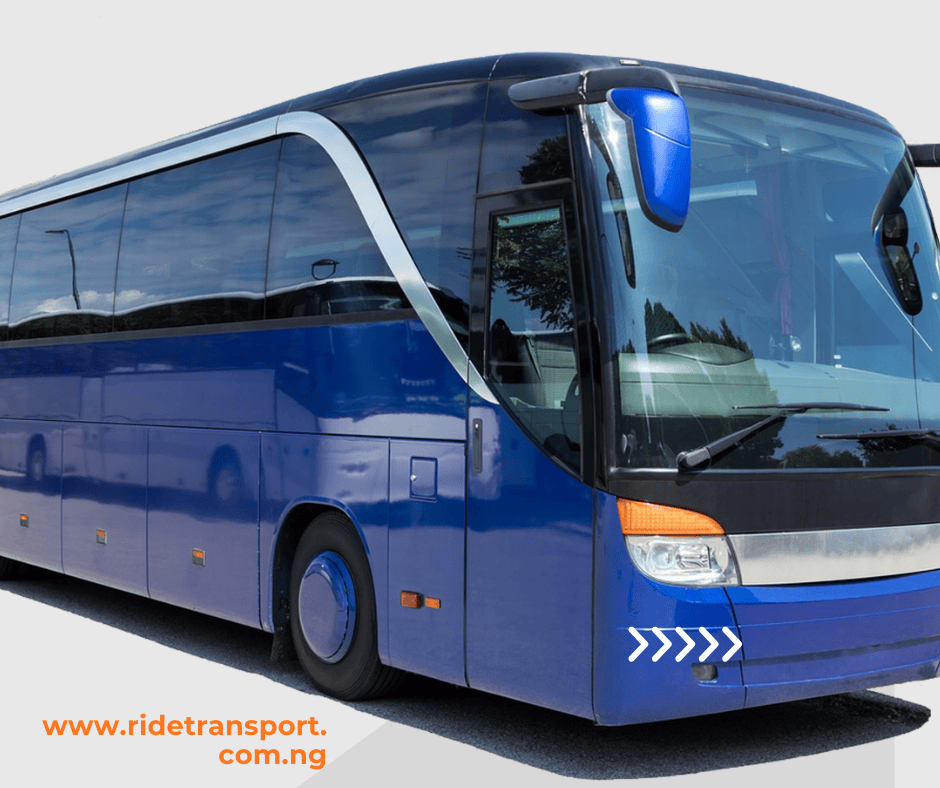
Cross Country Transport is a well‑known interstate transport company in Nigeria, recognized for providing long‑distance passenger travel across multiple states and regions. For many Nigerians, the company represents a familiar option when planning journeys between major cities, particularly across the South‑East, South‑South, and other connected corridors.
This article provides a comprehensive, fact‑conscious overview of Cross Country Transport Nigeria, focusing on its services, operational structure, route coverage, terminal presence, ticketing approach, safety considerations, and traveler experience. The aim is to help passengers make informed decisions while avoiding assumptions, outdated figures, or unverifiable claims.
It operates as a commercial road transport company offering inter‑state passenger movement within Nigeria. The company primarily serves travelers seeking affordable and relatively direct road connections between states without relying on air travel.
The brand has become recognizable due to its consistent presence in major transport hubs, particularly in the eastern and southern parts of the country. Cross Country Transport focuses on moving passengers rather than freight logistics, positioning itself alongside other established inter‑state bus operators in Nigeria.
Core Services Offered by Cross Country Transport
Inter‑State Passenger Transportation
The primary service provided by Cross Country Transport is interstate road travel. Passengers use the service for:
- Business trips
- Family visits
- Education‑related travel
- Religious and social events
Trips typically connect state capitals and commercial cities using long‑distance buses.
Scheduled Departures
Cross Country Transport generally operates on scheduled departures from its terminals. Departure times may vary by route, passenger volume, and season. Travelers are advised to arrive early at terminals, as seating allocation often follows a first‑come basis for same‑day travel.
Terminal‑Based Operations
Unlike informal roadside loading, Cross Country Transport operates mainly from designated terminals, which improves boarding order, passenger verification, and route management.
Routes Covered by Cross Country Transport
Cross Country Transport is commonly associated with South‑East and South‑South routes, although coverage may expand or adjust based on demand.
Typical route patterns include:
- South‑East to South‑South
- South‑East to South‑West
- Inter‑state connections within southern Nigeria
Because route availability can change, travelers should confirm current destinations directly at terminals or through official company communication channels.
Cross Country Transport Terminals in Nigeria
Cross Country Transport maintains physical terminals in selected cities. These terminals function as:
- Ticket purchase points
- Boarding locations
- Passenger information centers
Terminal locations may include major urban centers and transport corridors. Availability can vary, so passengers should verify terminal addresses locally to avoid outdated information.
Ticketing and Booking Process
On‑Site Ticket Purchase
Most passengers obtain tickets directly at terminals. Prices depend on route distance, fuel conditions, and operational costs rather than fixed public rate cards.
Seat Allocation
Seating is typically assigned at the point of ticket purchase or boarding. Early arrival increases seat choice flexibility.
Luggage Policy
Passengers are generally allowed reasonable personal luggage, though oversized items may attract additional charges depending on space and safety considerations.
Pricing Structure: What Passengers Should Expect
Cross Country Transport does not always publish fixed nationwide price lists. Instead, fares are influenced by:
- Distance traveled
- Fuel market conditions
- Road conditions
- Seasonal demand
Passengers are advised to:
- Confirm prices at terminals
- Ask for official tickets
- Avoid third‑party price negotiation
Safety Practices and Travel Experience
Driver Assignment and Route Familiarity
Drivers typically operate on routes they are familiar with, which supports navigation efficiency and road awareness.
Vehicle Condition Awareness
Like many road transport operators in Nigeria, vehicle conditions may vary. Passengers should observe vehicle readiness before boarding.
Daytime Travel Preference
Daytime journeys are generally safer due to visibility and reduced security risks on highways.
You can also check this post, click here
Customer Experience and Expectations
Passenger experience with Cross Country Transport often depends on:
- Route condition
- Travel timing
- Weather
- Terminal organization
While some travelers prioritize affordability, others focus on arrival reliability. Understanding this balance helps manage expectations.
Comparison With Other Nigerian Transport Companies
Compared with luxury bus operators, Cross Country Transport often emphasizes practical mobility rather than premium features. Compared with informal roadside vehicles, it offers greater structure through terminals and scheduled movement.
This positioning makes it suitable for travelers seeking:
- Recognized operators
- Predictable routes
- Terminal‑based boarding
Regulatory Compliance and Oversight
Cross Country Transport operates within Nigeria’s transport regulatory environment, including:
- Vehicle licensing
- Driver documentation
- Road safety regulations
Passengers are encouraged to report unsafe practices to the appropriate authorities when necessary.
Cross Country Transport Nigeria – Estimated Price List & Locations
South‑East, South‑South & South‑West Routes
| Departure State | Departure City | Destination State | Destination City | Estimated Fare Range (₦) |
|---|---|---|---|---|
| Abia | Aba | Lago | Lagos | ₦30,000 – ₦45,000 |
| Abia | Aba | Rivers | Port Harcourt | ₦8,000 – ₦15,000 |
| Abia | Aba | Abuja (FCT) | Abuja | ₦35,000 – ₦50,000 |
| Anambra | Onitsha | Lagos | Lagos | ₦30,000 – ₦45,000 |
| Anambra | Onitsha | Abuja (FCT) | Abuja | ₦35,000 – ₦50,000 |
| Imo | Owerri | Lagos | Lagos | ₦30,000 – ₦45,000 |
| Imo | Owerri | Akwa Ibom | Uyo | ₦10,000 – ₦18,000 |
| Enugu | Enugu | Lagos | Lagos | ₦28,000 – ₦42,000 |
| Rivers | Port Harcourt | Lagos | Lagos | ₦30,000 – ₦45,000 |
| Rivers | Port Harcourt | Abia | Aba | ₦7,000 – ₦14,000 |
| Akwa Ibom | Uyo | Abia | Aba | ₦9,000 – ₦16,000 |
| Cross River | Calabar | Akwa Ibom | Uyo | ₦5,000 – ₦10,000 |
| Delta | Asaba | Lagos | Lagos | ₦25,000 – ₦40,000 |
| Edo | Benin City | Lagos | Lagos | ₦15,000 – ₦25,000 |
| Lagos | Lagos | Abia | Aba | ₦30,000 – ₦45,000 |
| Lagos | Lagos | Anambra | Onitsha | ₦30,000 – ₦45,000 |
| Abuja (FCT) | Abuja | Abia | Aba | ₦35,000 – ₦50,000 |
| Abuja (FCT) | Abuja | Imo | Owerri | ₦35,000 – ₦50,000 |
Cross Country Transport Nigeria – Locations & Price List (Indicative)
⚠️ Note: Prices vary by route, fuel conditions, and time. Passengers should confirm at the terminal before travel.
| State | City / Terminal Location | Common Routes Served | Price Range |
|---|---|---|---|
| Abia | Aba | Aba → Lagos, Aba → Abuja, Aba → Port Harcourt | Varies by distance |
| Anambra | Onitsha | Onitsha → Lagos, Onitsha → Abuja, Onitsha → Benin | Confirm at terminal |
| Imo | Owerri | Owerri → Lagos, Owerri → Abuja, Owerri → Uyo | Confirm at the terminal |
| Enugu | Enugu | Enugu → Lagos, Enugu → Abuja | Varies |
| Rivers | Port Harcourt | PH → Aba, PH → Owerri, PH → Lagos | Confirm locally |
| Akwa Ibom | Uyo | Uyo → Owerri, Uyo → Aba, Uyo → Lagos | Varies |
| Cross River | Calabar | Calabar → Uyo, Calabar → Aba | Confirm at the terminal |
| Delta | Asaba / Warri | Asaba → Onitsha, Warri → Lagos | Varies |
| Edo | Benin City | Benin → Lagos, Benin → Onitsha | Confirm locally |
| Lagos | Lagos terminals (varies) | Lagos → East & South‑South routes | Route‑dependent |
| Abuja (FCT) | Abuja | Abuja → South‑East / South‑South | Confirm at the terminal |
Visit the official site of Cross Country for more details here
Basic luggage is typically included, with additional charges possible for excess items.