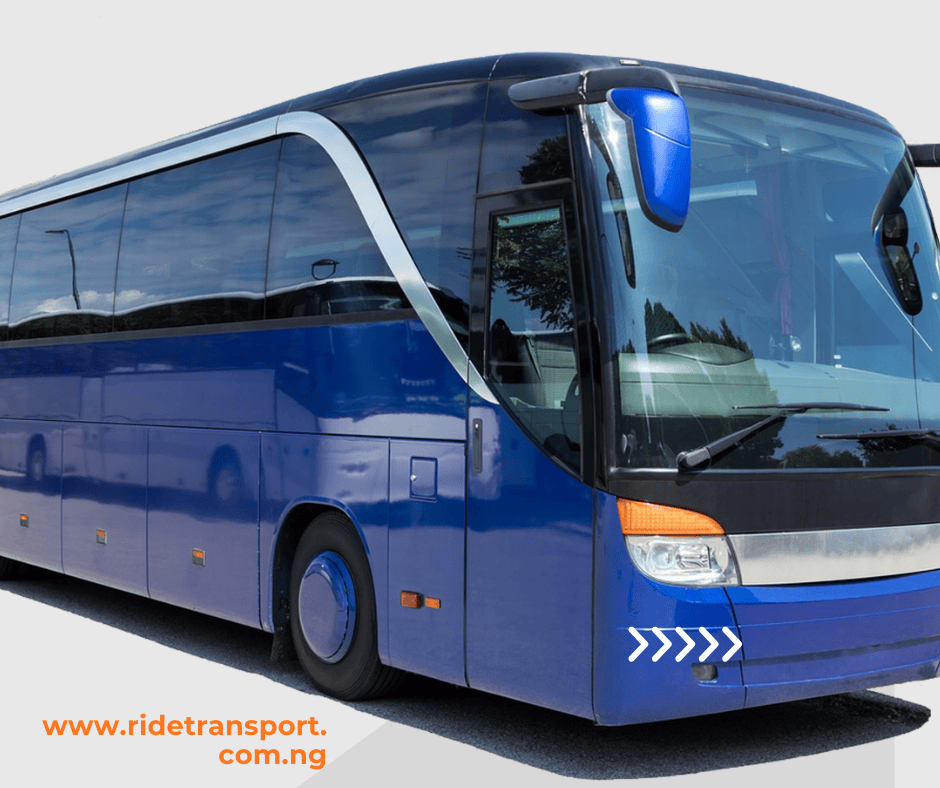
If you’re searching for the Suzuki mini bus price in Nigeria, you’re likely considering a reliable, fuel‑efficient, and affordable bus for commercial transport, school runs, corporate use, or large family needs. Suzuki mini buses have become increasingly popular in Nigeria due to their low running costs, durability on Nigerian roads, and strong resale value.
In this in‑depth guide, we break down current Suzuki mini bus prices in Nigeria, covering brand‑new and tokunbo (used) options, available models, fuel economy, maintenance costs, and expert buying tips. This article is designed to give you everything you need to make a smart buying decision.
Suzuki Mini Bus Overview
Suzuki is a Japanese automobile manufacturer known for producing compact, efficient, and durable vehicles. In Nigeria, Suzuki mini buses are widely used for:
- Commercial transportation (keke replacement, shuttle buses)
- School buses
- Ride‑hailing and logistics
- Religious and corporate transport
- Large family use
Popular Suzuki mini bus models in Nigeria include:
- Suzuki Every
- Suzuki Carry
- Suzuki APV
- Suzuki Super Carry
Suzuki Mini Bus Price in Nigeria (2026 Updated)
Prices vary depending on model year, condition, engine type, transmission, and location.
✅ Brand New Suzuki Mini Bus Price in Nigeria
| Model | Engine | Seating Capacity | Price Range (₦) |
|---|---|---|---|
| Suzuki APV (New) | 1.6L Petrol | 7–8 | ₦18m – ₦25m |
| Suzuki Super Carry | 1.2L Petrol | 2–5 | ₦14m – ₦18m |
🔎 Note: Brand‑new Suzuki mini buses are usually imported on demand and may require 3–6 months delivery time.
✅ Tokunbo (Foreign Used) Suzuki Mini Bus Price in Nigeria
| Model | Year Range | Price Range (₦) |
|---|---|---|
| Suzuki Every | 2016–2020 | ₦5m – ₦8m |
| Suzuki Carry | 2015–2019 | ₦4.5m – ₦7m |
| Suzuki APV | 2014–2018 | ₦6.5m – ₦10m |
| Suzuki Super Carry | 2016–2021 | ₦6m – ₦9m |
✅ Tokunbo options offer better value and are the most common choice for Nigerian buyers.
✅ Nigerian Used Suzuki Mini Bus Price
| Condition | Price Range (₦) |
|---|---|
| Fair condition | ₦3.5m – ₦5m |
| Good condition | ₦5m – ₦7m |
| Very clean | ₦7m – ₦9m |
⚠️ Always inspect Nigerian‑used vehicles thoroughly to avoid engine and gearbox issues. Check Faith Motors Price Here
Suzuki Mini Bus Engine Specs & Fuel Consumption
One major reason people search for the Suzuki mini bus price in Nigeria is fuel economy.
⛽ Fuel Consumption
- Average fuel economy: 14–20 km/l
- Engine options: 660cc, 1.2L, 1.3L, 1.6L
- Fuel type: Petrol
✅ Suzuki mini buses are far more fuel‑efficient than Toyota Hiace or Nissan Urvan.
Suzuki Mini Bus Seating Capacity
Depending on the configuration:
- Suzuki Every: 6–8 passengers
- Suzuki APV: 7–8 passengers
- Suzuki Carry: 2–5 passengers (cargo or passenger)
- Modified versions: Up to 10 seats
Why Suzuki Mini Buses Are Popular in Nigeria
✅ Key Advantages
- Low fuel consumption
- Affordable purchase price
- Easy maintenance
- Strong engine reliability
- Compact size for urban roads
- Good resale value
❌ Disadvantages
- Smaller seating compared to Hiace
- Limited power for heavy loads
- Not ideal for very long-distance travel
Suzuki Mini Bus vs Toyota Hiace (Quick Comparison)
| Feature | Suzuki Mini Bus | Toyota Hiace |
|---|---|---|
| Price | Cheaper | More expensive |
| Fuel economy | Excellent | Average |
| Seating | Smaller | Larger |
| Maintenance | Cheaper | Higher |
| Best for | City transport | Long-distance |
Maintenance Cost of Suzuki Mini Bus in Nigeria
- Engine oil service: ₦20k – ₦40k
- Brake pads: ₦25k – ₦50k
- Suspension parts: ₦30k – ₦80k
- Spare parts availability: ✅ High in Lagos, Abuja, Onitsha
🔧 Expert tip: Stick to original or Japanese‑grade replacement parts for longer engine life.
Where to Buy a Suzuki Mini Bus in Nigeria
✅ Recommended places:
- Lagos car markets (Berger, Apapa, Ajah)
- Abuja auto dealers
- Trusted online auto platforms
- Direct import from Japan
Buying Tips from an Auto Expert
✔️ Check engine compression
✔️ Inspect transmission carefully
✔️ Avoid accident‑damaged units
✔️ Verify customs clearance
✔️ Run diagnostics before payment
⚠️ Common mistake: Choosing price over condition — a cheap bus can cost more in repairs.
FAQs: Suzuki Mini Bus Prices in Nigeria
❓ How much is a Suzuki mini bus in Nigeria?
Suzuki mini bus prices range from ₦4.5m to ₦25m depending on model, year, and condition.
❓ Is the Suzuki minibus good for commercial use?
Yes. It’s ideal for city transport, school runs, and shuttle services due to low fuel consumption.
❓ Which Suzuki mini bus is best in Nigeria?
The Suzuki Every and Suzuki APV are the most popular for Nigerian roads.
❓ Is spare parts availability good?
Yes. Spare parts are widely available in major cities.
Conclusion
When evaluating the Suzuki mini bus price in Nigeria, one thing becomes very clear: Suzuki offers one of the best value‑for‑money mini buses available in the Nigerian automobile market today. Whether you’re a commercial transport operator, school owner, logistics provider, or a private individual looking for an economical people‑carrier, Suzuki mini buses strike a strong balance between purchase cost, fuel efficiency, and long‑term reliability.
Compared to larger buses like the Toyota Hiace, Suzuki mini buses require significantly less capital to buy, consume less fuel in daily operations, and are cheaper to maintain, making them especially attractive in today’s high fuel‑price environment. For urban routes, short‑distance travel, and frequent stop‑and‑go usage, Suzuki mini buses perform exceptionally well on Nigerian roads.
That said, choosing the right Suzuki mini bus depends heavily on your specific use case. If you plan to operate within cities like Lagos, Abuja, or Port Harcourt, models such as the Suzuki Every or Suzuki APV are ideal. However, if your business involves heavy loads or long interstate journeys, you should carefully assess seating capacity, engine size, and suspension strength before buying.
From an expert standpoint, tokunbo Suzuki mini buses offer the best overall value in Nigeria, provided they are properly inspected and imported cleanly. Always prioritize vehicle condition over price, confirm customs documentation, and budget for initial servicing after purchase. These steps alone can save you hundreds of thousands of naira in avoidable repairs.
In summary, understanding the Suzuki mini bus price in Nigeria empowers you to make a smart, informed decision. With proper maintenance, a Suzuki mini bus can serve you reliably for many years while delivering consistent returns on investment—especially for commercial users.